Have you ever watched the forecast change from sunny and mild to snow overnight: and then realized your tires are still set up for summer driving? In Colorado, that change can happen quickly, especially when you travel between Aurora, Denver, and the mountains.
Waiting until the first measurable snow to switch tires is a gamble. By then, temperatures may already be cold enough to reduce all-season traction, mountain roads may be under a Traction Law, and local tire shops may be booked with everyone trying to prepare at once.
For drivers in Aurora, the better approach is to watch temperatures, consider your routes, and schedule winter tire service before the first storm.
The 40-Degree Rule: Temperature Matters More Than the Calendar
A common rule of thumb is to switch to winter tires when temperatures are consistently around 40°F to 45°F or colder. That does not mean one chilly morning requires an immediate change. It means the temperatures during the times you normally drive: particularly early mornings and evenings: are regularly staying near that range.
Winter tires use a softer rubber compound designed to remain flexible in cold weather. All-season tires use a harder compound that works across a wider range of conditions, but it can become less flexible as temperatures drop.
That difference affects:
- Braking on cold pavement
- Cornering on snow or slush
- Starting from a stop on an icy street
- Steering response during sudden winter weather
Colorado’s Front Range can still have warm afternoons in October while mornings are near freezing. That is why relying only on the daytime high: or waiting for snow on the ground: can lead to a late changeover.
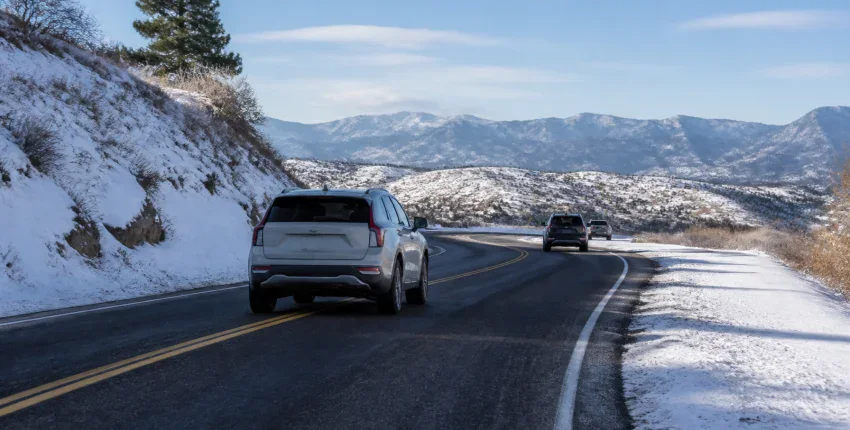
In Aurora and Denver, late October through early November is often a practical window to start watching temperatures closely. If you regularly drive into the foothills or over mountain passes, you may want to prepare earlier because elevations can experience winter conditions before the metro area does.
Why Waiting for the First Snow Can Cost You
The first snow is not always the first winter driving hazard. Cold, dry pavement, frost, black ice, and early-morning refreezing can all reduce traction before a storm produces visible accumulation.
All-wheel drive and four-wheel drive can help a vehicle accelerate on slippery surfaces, but they do not replace appropriate tires. Your tires are still responsible for steering and stopping. Even a vehicle with AWD can slide through a turn or take longer to stop if its tires have hardened rubber, low tread, or poor winter traction.
There is also the practical problem of availability. Once the first major storm is forecast, many drivers search for:
- Winter tire installation
- Tire sales near Aurora
- Seasonal tire changeovers
- Tire rotation and balancing
- Wheel alignment service
That rush can mean fewer appointment times and limited availability for the tire size you need. Scheduling earlier gives you time to compare options instead of buying whatever happens to be in stock.
Colorado’s Traction Law: What Mountain Drivers Should Know
Colorado’s Traction Law is another reason not to leave winter preparation until the last minute.
On the I-70 Mountain Corridor between Morrison and Dotsero, the Traction Law is in effect each year from September 1 through May 31. CDOT can also activate traction or chain requirements on other state highways when weather and road conditions call for them.
When applicable, passenger vehicles generally need qualifying tires with at least 3/16 inch of tread, or chains or an approved alternative traction device, depending on the vehicle and the specific law in effect. Qualifying tire types can include:
- Winter tires with the 3-Peak Mountain Snowflake symbol
- All-weather tires
- Mud and Snow tires marked M+S
These are legal equipment requirements: not a guarantee that a vehicle will handle every road condition safely. A tire may meet the minimum Traction Law standard and still offer less snow and ice performance than a dedicated winter tire.
Before traveling, check the latest requirements through CDOT’s winter driving tire guidance, review Colorado’s Traction and Chain Law information, and check current road conditions at COtrip.org.
All-Season, Winter, and Studded Tires: What Is the Difference?
Choosing the right tire depends on where you drive, how often you encounter snow, and your budget.
All-season tires
All-season tires are designed for a broad range of conditions, including dry roads, rain, and occasional light snow. Many have an M+S marking, which means Mud and Snow.
They may be a reasonable choice for drivers who stay mostly around Aurora and Denver, do not regularly travel into the mountains, and can avoid driving during severe storms. However, M+S does not mean the tire performs like a dedicated winter tire. It may be Traction Law compliant with sufficient tread, but cold-weather grip can still be limited.
Winter tires
Winter tires are built specifically for cold temperatures, snow, and ice. Their tread designs include more biting edges and grooves to help clear slush and grip packed snow. The rubber stays more flexible in cold conditions than a typical all-season compound.
Look for the 3-Peak Mountain Snowflake, or 3PMSF, symbol on the sidewall. This indicates the tire has met a defined severe-snow performance standard.
If you commute early in the morning, drive regularly during storms, carry family members, or travel through mountain corridors, a complete set of four winter tires can provide a meaningful safety advantage.
Do not install winter tires on only two wheels. Mixing winter and non-winter tires can create an imbalance in handling, particularly during braking or cornering. If you choose winter tires, use a matching set of four unless your vehicle manufacturer provides different instructions.
Studded tires
Studded tires use small metal studs to provide additional grip on ice. They can be useful for drivers who regularly encounter icy roads or live in areas where snow and ice remain packed for extended periods.
The tradeoffs include more road noise, reduced comfort on dry pavement, and faster wear when used on warmer roads. Colorado regulations also place limits on the types of vehicles and tire setups that may use studs, so confirm the current requirements before purchasing. You can review the applicable state statute through Colorado Revised Statutes §42-4-228.
For many Front Range drivers, a quality 3PMSF winter tire or an appropriate all-weather tire may provide a better balance of winter performance, comfort, and year-round practicality.
Check Tread Before You Mount Anything
A seasonal changeover is a good time to inspect both sets of tires. Tread depth is especially important in Colorado, where snow, slush, and icy intersections can appear with little warning.
Colorado’s Traction Law guidance refers to a minimum of 3/16 inch of tread for qualifying tires during applicable conditions. That is 6/32 inch. A tire can still look acceptable at a glance while having uneven wear, shoulder damage, cracks, or tread that is too low for dependable winter performance.
Before mounting your winter tires, check for:
- Uneven wear across the tread
- Cracks or bulges in the sidewall
- Damage from potholes or curbs
- Tire age and signs of rubber deterioration
- Consistent tread depth across all four tires
- Correct size, load rating, and speed rating
If your current tires are worn, new tire sales in Aurora may be more practical than paying for installation on a set that will need replacement soon.
Do Not Skip Balancing or Alignment
Seasonal tire service is more than removing one set and installing another. Tires should be properly mounted, inflated, and balanced. Balancing helps reduce vibration and uneven wear, while an alignment makes sure the wheels point in the correct direction.
Colorado potholes, curbs, snow-packed roads, and rough pavement can move a vehicle out of alignment. If your car pulls to one side, the steering wheel sits off-center, or the tire edges are wearing faster than the middle, ask about a wheel alignment in Aurora.
Proper alignment can help protect your tire investment and improve handling. It is also a straightforward way to identify suspension or steering concerns before winter driving makes them more noticeable.
Store Your Off-Season Tires Correctly
If you use two separate tire sets, store the off-season tires in a cool, dry place away from direct sunlight, moisture, and chemicals. Clean off road salt and dirt, then allow the tires to dry before covering them.
Keep each tire labeled by position if your technician recommends maintaining a particular rotation pattern. If the winter tires are mounted on separate wheels, store them upright or according to the wheel and tire manufacturer’s guidance. Avoid leaving bare tires in a hot garage or outdoors under a tarp where temperature swings and moisture can accelerate deterioration.
When spring arrives, do not remove winter tires after the first warm afternoon. CDOT advises removing them when winter ends or when weather becomes consistently warm. Colorado can receive significant snow in March, so many drivers keep winter tires installed well beyond the first few mild days.

Schedule Before the Seasonal Rush
The best time to visit a tire shop in Aurora, CO is before the first major forecast sends everyone searching for an appointment. A technician can inspect your current tires, compare winter or all-weather options, check tread depth, and explain what makes sense for your driving habits.
At Value Tires & Service, we provide tire installation, rotation, balancing, and wheel alignment services for all makes and models. Our ASE-certified technicians in Aurora focus on straightforward recommendations: not selling you a tire you do not need.
If new tires fit your budget better with payment flexibility, financing options through Koalafi and Snap may also be available.
Prepare Before Colorado’s Weather Makes the Decision for You
You do not need to wait for the first snowflake to make a winter tire decision. Watch for consistent temperatures near 40°F to 45°F, consider whether you drive mountain routes, inspect tread depth, and schedule your changeover early enough to avoid the rush.
For honest advice from an affordable mechanic in Aurora, contact Value Tires & Service or book your winter tire service. We will help you choose a practical setup for your vehicle, your routes, and your budget: so you can approach Colorado winter driving with better preparation and confidence.