
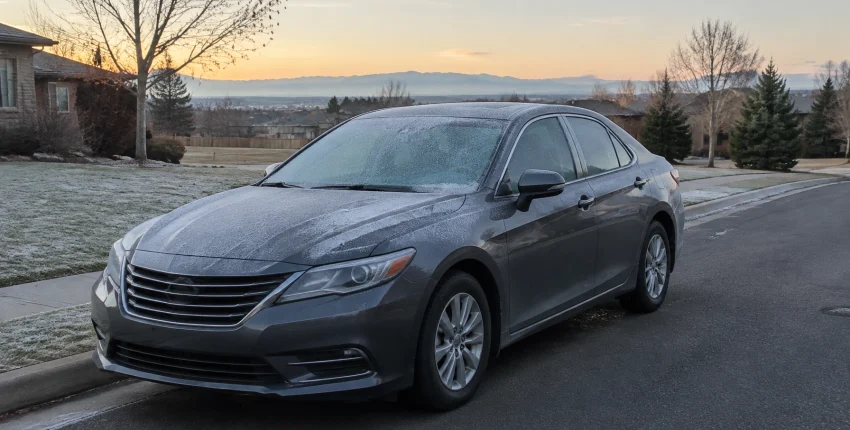
Ever started your car on a cold Aurora morning, turned the heater up, and waited, and waited, for warm air? A slow warm-up can be normal when the engine is cold, but weak heat that continues after the engine reaches its usual temperature may point to a cooling-system issue worth checking before the first hard freeze.
Your cabin heater depends on engine coolant, so heating problems can sometimes reveal issues elsewhere in the cooling system. A seasonal inspection can help catch a leak, worn hose, or incorrect coolant mixture before it turns into an inconvenient, and potentially expensive, winter breakdown.
How your car’s heater and cooling system work together
As the engine runs, coolant circulates through passages in the engine to absorb heat. The radiator helps release that heat, while a thermostat regulates coolant flow so the engine can warm up and maintain its normal operating temperature.
When you select heat, some hot coolant flows through a small radiator behind the dashboard called the heater core. Air passes over it and warms before reaching the cabin vents. If coolant is low, circulation is restricted, or the engine is not warming up properly, the cabin may not get the heat you expect.
There’s one important distinction: your car’s air conditioner uses a separate refrigerant system, not engine coolant. The systems may share components such as front-end airflow or cooling fans, depending on the vehicle, but working AC does not confirm that your coolant, thermostat, or heater core is in good shape.

What cold mornings can reveal
A healthy cooling system should handle cold starts when it has the correct coolant, at the right level, with no leaks. The cold itself does not automatically mean your car needs a flush. But winter can expose problems that were less noticeable in warmer weather.
Coolant must stay liquid to circulate and protect the engine. A common coolant mixture is 50% antifreeze and 50% water, which typically protects to around -34°F. The actual freeze protection depends on the coolant product and vehicle requirements, so check the owner’s manual and coolant label rather than relying on a color or assuming every car uses the same formula.
Repeated heating and cooling can also make aging hoses, seals, and connections more likely to show signs of wear. In Aurora and the Denver Area, a sudden cold snap can make a small leak or weak heater especially inconvenient. Catching a problem early is usually simpler than finding it after the temperature gauge climbs or the cabin stops defrosting properly.
Common reasons your heater may not warm up
A thermostat that is sticking
The thermostat helps the engine reach and maintain its normal temperature. If it sticks open, the engine may warm up slowly, the temperature gauge may stay lower than usual, and the heater may blow lukewarm air. If it sticks closed, coolant flow can be restricted and the engine may overheat.
Watch how the temperature gauge behaves during a normal drive. A gauge that rises unusually high is urgent: pull over safely, turn off the engine, and arrange for help. Do not remove the radiator cap or coolant reservoir cap while the engine is hot.
Low coolant or a leak
Low coolant can reduce the flow of hot fluid through the heater core, leaving you with weak or inconsistent cabin heat. Look for a level below the reservoir’s “COLD” mark when the engine is completely cool, or for wet spots beneath the vehicle. Coolant loss that keeps returning is not something to solve by repeatedly topping off; it needs an inspection to find the cause.
A restricted or leaking heater core
A restricted heater core may prevent enough warm coolant from reaching the cabin. A leak can produce a sweet coolant smell inside the car, persistent fogging on the windows, damp carpet, or unexplained coolant loss. Those symptoms deserve prompt attention, especially if your windshield will not stay clear enough to drive safely.
Weak airflow alone does not prove that the heater core is clogged. A blower issue or a cabin air filter that needs attention can also reduce airflow. A technician can check the symptoms and determine what is actually happening.
Worn hoses or a water pump problem
Hoses can become brittle, swollen, cracked, or soft as they age. The water pump moves coolant through the engine and cooling system; a leak or other pump problem can affect circulation. A visible leak, unusual noise, rising temperature gauge, or repeated coolant loss calls for an inspection rather than guesswork.
A safe cold-engine coolant check
You can do a basic visual check at home, as long as the engine is fully cold and parked on level ground:
- Find the coolant reservoir and check that the level sits between its cold “MIN” and “MAX” marks.
- Look at the fluid’s condition. Coolant color varies by type, so color alone cannot confirm that it is healthy or compatible with your vehicle.
- Watch for a muddy or rusty appearance, cloudiness, particles, or an oily film. These signs may indicate contamination or deterioration and should be checked.
- Look around the reservoir and visible hoses for dampness or dried residue that could suggest a leak.
Never open a pressurized cooling system when the engine is warm or hot. Hot coolant can spray out and cause serious burns. If you are unsure whether the engine is cool enough, wait.
Top off, flush, or book an inspection?
Topping off may be reasonable if the level is slightly low, you know the correct coolant specification for your vehicle, and there is no sign of a leak or contamination. Use the coolant specified in the owner’s manual, and follow its instructions for premixed or concentrated coolant. Don’t mix products simply because they have the same color.
A top-off is not a repair for coolant that keeps disappearing. If the level drops again, the fluid looks contaminated, you do not know what is already in the system, or the vehicle is due for coolant service under its manufacturer’s schedule, ask for an inspection. A technician can test the coolant’s freeze protection and condition, check for leaks, and advise whether a flush or other work is appropriate.
There isn’t one mileage interval that fits every vehicle. Coolant type and replacement schedules vary, so follow the maintenance information for your specific make and model. A cooling-system check can also be a useful question to raise when booking an oil change in Aurora or other seasonal maintenance; ask what is included rather than assuming coolant service is part of every oil change.
What should you treat as urgent?
Arrange an inspection soon if the heater stays cold after the engine warms up, the coolant level is low, or you notice a sweet smell or recurring window fogging. Stop driving when it is safe to do so if the temperature gauge climbs into the danger zone, a warning light indicates overheating, or you see a significant coolant leak. Continuing to drive an overheating vehicle can cause far more costly engine damage.
A heater that takes longer to warm the cabin on a very cold start may not mean anything is broken. Give the vehicle time to warm up and follow the owner’s manual. But persistent weak heat, coolant loss, or overheating deserves a proper diagnosis, not a guess or an unnecessary parts replacement.
For drivers looking for an affordable mechanic in Aurora, a clear explanation of what is urgent and what can wait matters. Value Tires & Service offers diagnostics and seasonal vehicle care, with ASE-certified technicians. You can read about the shop’s diagnostic process and contact the team with questions.
Get ready before the first hard freeze
Your car’s heater relies on a healthy cooling system, but a cold morning alone does not mean you need a flush. Check the coolant only when the engine is cold, use the specification your vehicle requires, and take recurring loss, warning signs, or overheating seriously.
If you’d like your heater and coolant condition checked before winter, schedule seasonal service with Value Tires & Service in Aurora. We’ll help you understand what your vehicle needs and what can wait.